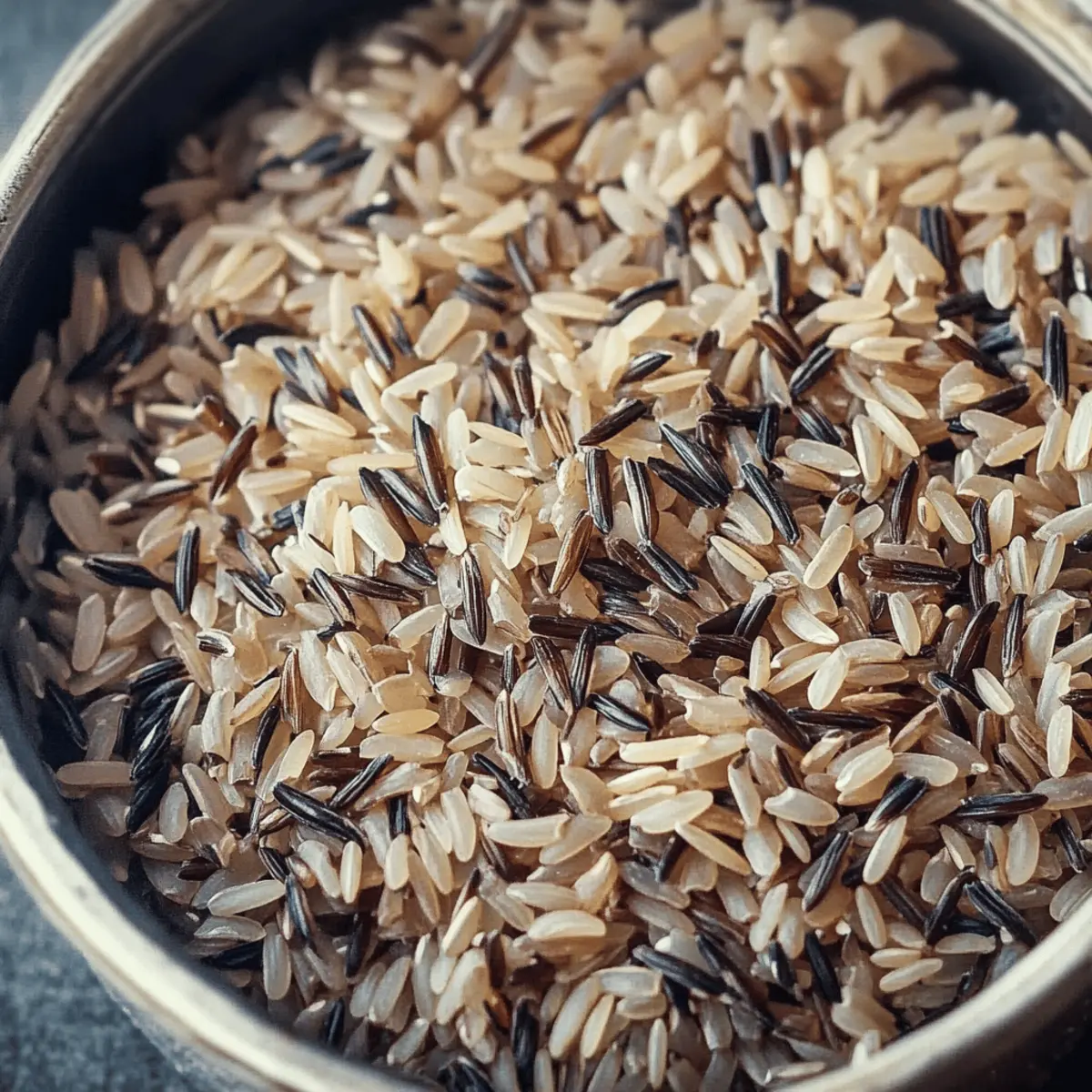
Chewy, Nutty, & Healthy: Your Essential Guide to Cooking Wild Rice
Wild rice, with its distinctive chewy texture, earthy aroma, and nutty flavor, is a true culinary gem. Far from being just another grain, this unique ingredient elevates everything from hearty soups and vibrant salads to elegant side dishes. If you've ever wondered *how to cook wild rice* to perfection, you've come to the right place. This comprehensive guide will walk you through everything you need to know, from understanding its origins to mastering two popular cooking methods, ensuring you achieve delicious results every time. Whether you're a seasoned home cook or new to the wild rice world, prepare to discover the ease and versatility of this wholesome food. For an even more detailed breakdown of techniques, consider our Master Wild Rice: Easy Stovetop & Instant Pot Cooking Guide.Understanding Wild Rice: More Than Just a Grain
Despite its name, wild rice isn't actually rice at all. Botanically speaking, it's the seed of an aquatic grass plant, native primarily to the Great Lakes region of North America. For centuries, it served as a staple food for Native American communities, valued for its nutritional density and robust flavor. Today, most of the wild rice found in supermarkets is specially cultivated in regions like Minnesota and California, bringing this ancient superfood to modern kitchens worldwide. Beyond its fascinating backstory and unique texture, wild rice boasts an impressive nutritional profile that makes it a standout ingredient. It's naturally gluten-free, low in fat, and a fantastic source of dietary fiber, promoting digestive health and sustained energy. What truly sets it apart, however, is its protein content – it actually contains more protein per serving than quinoa, making it an excellent choice for vegetarians, vegans, and anyone looking to boost their nutrient intake. Its robust, slightly smoky flavor means it holds its own beautifully in dishes, though it's often blended with other rices or grains to complement their milder profiles. To dive deeper into its classification and benefits, explore Is Wild Rice Actually Rice? Uncover Benefits & How to Cook It.Mastering the Stovetop: How to Cook Wild Rice the Classic Way
The stovetop method is a time-tested approach that yields perfectly cooked wild rice with minimal fuss. While it requires a bit more time than pressure cooking, it's incredibly straightforward and forgiving, making it accessible for any home chef. Ingredients:- 1 cup wild rice
- 3-4 cups water or broth (or a mixture)
- Optional: 1 tsp salt (if using water)
- Rinse the Rice: Place the wild rice in a fine-mesh strainer and rinse thoroughly under cold running water for 30-60 seconds. This step helps remove any potential debris or starch, ensuring a cleaner cook.
- Combine & Boil: Transfer the rinsed wild rice and liquid (water, vegetable broth, or chicken broth for added flavor) to a medium-sized saucepan. Bring the mixture to a rolling boil over medium-high heat. If using water, now is a good time to add a pinch of salt to enhance flavor.
- Simmer & Cook: Once boiling, reduce the heat to low, cover the saucepan tightly with a lid, and let it simmer for 45-50 minutes. It's a good idea to stir occasionally (every 10-15 minutes) to prevent sticking and ensure even cooking. The wild rice is done when many of the grains have burst open, revealing their lighter interior, and the texture is pleasantly chewy, not hard.
- Drain & Fluff: Carefully drain any excess liquid using your fine-mesh strainer. Return the cooked wild rice to the empty saucepan, fluff it gently with a fork, and let it stand for 5 minutes, covered, to allow any remaining moisture to absorb. Serve immediately and enjoy!
Pro Tip: For a firmer, chewier texture, use closer to 3 cups of liquid. For a softer result, lean towards 4 cups. Using broth instead of water will infuse your wild rice with an extra layer of savory flavor, perfect for side dishes or stuffings.
Pressure Cook Your Way to Perfection: Wild Rice in the Instant Pot
For those who love efficiency and a hands-off approach, cooking wild rice in an Instant Pot (or any electric pressure cooker) is a game-changer. This method significantly reduces cooking time while consistently delivering perfectly cooked, tender grains. Ingredients:- 1 cup wild rice
- 1 ½ cups water or broth (or a mixture)
- Rinse the Rice: Just as with the stovetop method, rinse the wild rice thoroughly under cold running water in a fine-mesh strainer. This crucial step cleans the grains and prepares them for cooking.
- Add to Instant Pot: Transfer the rinsed wild rice and the liquid (water or broth) to the inner pot of your Instant Pot. There's no need to add salt at this stage if using broth, but a pinch can be added with water if desired.
- Pressure Cook: Secure the lid on the Instant Pot and ensure the pressure release valve is set to the "sealing" position. Select the "Manual" or "Pressure Cook" setting and set the cooking time to 35 minutes on high pressure.
- Release & Fluff: Once the cooking cycle is complete, perform a quick release of the pressure by carefully turning the valve to the "venting" position. Once the pin drops and all pressure has been released, open the lid away from your face. Fluff the wild rice with a fork, gently separating the grains. Serve hot.
Pro Tip: The Instant Pot method is fantastic for meal prep because of its consistency. You can confidently cook a large batch knowing it will turn out perfectly every time. Ensure your sealing ring is clean and properly seated for optimal pressure build-up.
Smart Storage & Serving Ideas
Once you've mastered *how to cook wild rice*, understanding how to store it and how to incorporate it into your meals will help you enjoy this ingredient to its fullest potential. Storing Wild Rice:- Uncooked: Dry, uncooked wild rice is incredibly shelf-stable. When stored in an airtight container in a cool, dry place, it can last indefinitely, making it a fantastic pantry staple.
- Cooked: Cooked wild rice can be safely stored in an airtight container in the refrigerator for up to 6 days. For longer storage, it freezes beautifully for up to 6 months. To freeze, spread the cooled rice in a single layer on a baking sheet, then transfer the frozen grains to an airtight freezer bag or container. This prevents clumping and allows you to scoop out just what you need.
Important Food Safety Note: Any cooked wild rice left at room temperature for more than two hours should be discarded. Bacteria can multiply rapidly between 40°F and 140°F (4°C and 60°C), making it unsafe to consume. Always cool and refrigerate promptly.
Creative Serving Ideas: Wild rice's distinct flavor and texture make it incredibly versatile. Here are a few ideas to get you started:- Hearty Side Dish: Serve it plain as a nutritious alternative to white rice, or enhance it with sautéed mushrooms, toasted pecans, cranberries, and fresh herbs like parsley or thyme.
- Salad Booster: Add cooled wild rice to green salads, grain bowls, or robust winter salads with roasted vegetables and a vinaigrette dressing.
- Soups & Stews: Its chewiness adds fantastic body and sustenance to creamy chicken and wild rice soup, vegetable stews, or even chili.
- Stuffings & Dressings: It's a classic ingredient for poultry stuffings, especially during the holidays, offering a more complex flavor than bread-based alternatives.
- Breakfast Bowls: Believe it or not, wild rice can be a delightful base for savory breakfast bowls topped with a fried egg, avocado, and hot sauce.
