Is Wild Rice Actually Rice? Uncover Benefits & How to Cook It
Often found nestled in gourmet rice blends or served as an earthy side dish, wild rice is celebrated for its distinctive chewy texture and nutty flavor. But despite its name and common culinary companions, here’s a surprise: wild rice isn't actually rice at all! This common misconception doesn't diminish its appeal; in fact, understanding its true nature only enhances its unique charm. This article will demystify wild rice, explore its impressive nutritional profile, and most importantly, guide you through
how to cook wild rice to perfection every time, ensuring a delicious and healthy addition to your meals.
What Exactly Is Wild Rice? The Botanical Truth
While it shares the "rice" moniker, wild rice is botanically distinct from white or brown rice, which are grains from the *Oryza sativa* plant. Wild rice is, in fact, the seed of an aquatic grass genus known as *Zizania*. This fascinating plant thrives in shallow waters, primarily in the pristine lake regions of North America. For centuries, it served as a vital food source for various Native American tribes, who harvested it by hand from canoes, honoring its significance as "Manoomin" or "good berry."
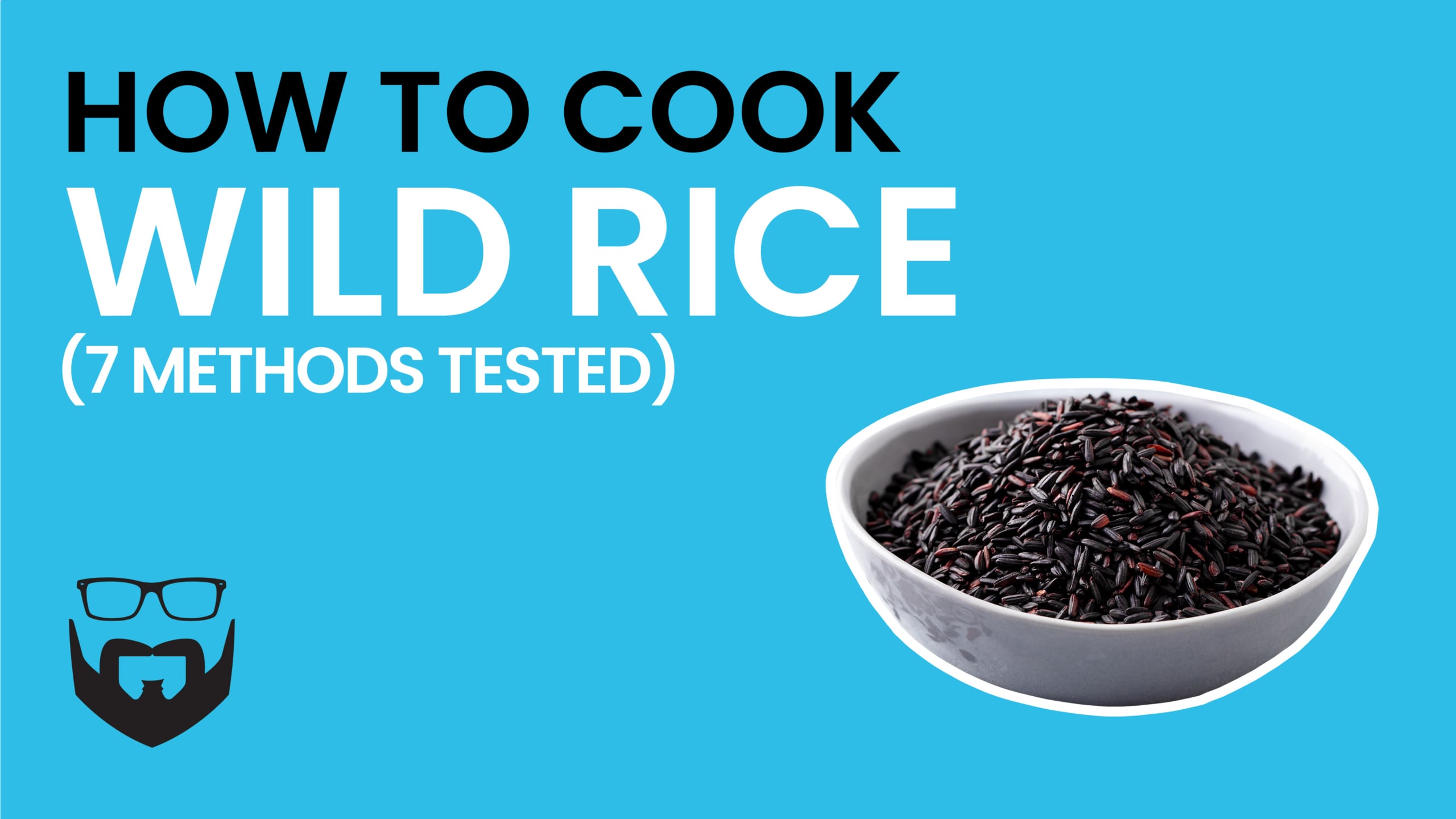
Today, the wild rice you find in supermarkets is typically cultivated in paddies, mainly in Minnesota and California, though wild-harvested varieties are also available. Its elongated, dark grains are a testament to its unique identity, offering a more robust texture and richer, more complex flavor profile than traditional rice. Beyond its culinary contributions, wild rice is a nutritional powerhouse. It boasts a higher protein content than even quinoa, is naturally gluten-free, remarkably low in fat, and packed with dietary fiber. It also contains essential minerals like phosphorus, magnesium, and zinc, along with B vitamins and a host of antioxidants, making it an incredibly wholesome choice for any diet.
Why You Should Embrace Wild Rice: Beyond Just Taste
The allure of wild rice extends far beyond its captivating flavor and satisfying chewiness. Integrating this ancient grain-like seed into your diet brings a wealth of health and culinary advantages.
A Nutritional Powerhouse
- High in Protein: For a plant-based food, wild rice offers a substantial protein punch, making it an excellent option for vegetarians, vegans, and anyone looking to increase their protein intake for muscle repair and satiety.
- Rich in Fiber: Its high fiber content is fantastic for digestive health, promoting regularity, and helping to maintain stable blood sugar levels. Fiber also contributes to a feeling of fullness, which can aid in weight management.
- Gluten-Free: Naturally devoid of gluten, wild rice is a safe and delicious option for individuals with celiac disease or gluten sensitivities, offering a hearty alternative to other grains.
- Packed with Micronutrients: Beyond protein and fiber, wild rice delivers a good source of essential minerals such as magnesium, phosphorus, and zinc, crucial for bone health, energy production, and immune function. It also provides B vitamins and powerful antioxidants that help combat oxidative stress in the body.
- Low in Fat: It's naturally low in fat, contributing to a heart-healthy diet.
Culinary Versatility
Wild rice is incredibly adaptable in the kitchen. While its strong, earthy flavor might be a bit intense on its own for some palates, it truly shines when used as a component in a variety of dishes. It adds a sophisticated touch and textural contrast to:
- Hearty soups and stews
- Wholesome salads, both warm and cold
- Flavorful stuffings for poultry or vegetables
- Nutrient-dense casseroles and pilafs
- As a standalone side dish, perhaps mixed with sautéed mushrooms or herbs
Its ability to absorb flavors while maintaining its distinct texture makes it a chef's delight, elevating everyday meals into something special.
Cooking wild rice to that perfect, tender-chewy consistency is simpler than you might think. Whether you prefer the classic stovetop method or the set-it-and-forget-it convenience of an Instant Pot, we've got you covered. The key to successful wild rice is patience and the right liquid ratio.
Method 1: Cooking Wild Rice on the Stovetop
The traditional stovetop method is straightforward and yields beautifully cooked grains, perfect for any dish.
Ingredients:
- 1 cup wild rice
- 3-4 cups water or broth (or a mixture)
Instructions:
- Rinse Thoroughly: Place the wild rice in a fine-mesh strainer and rinse it under cold running water for about 30 seconds. This removes any debris and excess starch, ensuring a cleaner flavor.
- Combine Ingredients: Add the rinsed wild rice and 3-4 cups of your chosen liquid to a medium-sized saucepan. For a richer flavor, using vegetable or chicken broth is highly recommended. You can also add a pinch of salt, a bay leaf, or a smashed garlic clove for extra depth.
- Boil and Simmer: Bring the mixture to a rolling boil over medium-high heat. Once boiling, reduce the heat to low, cover the saucepan tightly, and let it simmer for 45-60 minutes. The cooking time can vary based on the wild rice variety and its age. Stir occasionally to prevent sticking.
- Check for Doneness: The wild rice is ready when most of the grains have "burst" open, revealing a lighter interior, and are tender yet still have a pleasant chew. If it's too firm, add a little more liquid and continue to simmer for another 5-10 minutes.
- Drain and Fluff: Once cooked, drain any excess liquid using your fine-mesh strainer. Return the wild rice to the empty saucepan, cover it, and let it sit for 5 minutes. This allows the grains to steam in their own residual heat, resulting in a perfectly fluffy texture. Fluff with a fork and serve!
Method 2: Cooking Wild Rice in the Instant Pot
For those who love convenience and speed, the Instant Pot is a game-changer for cooking wild rice. It significantly reduces hands-on time and ensures consistently perfect results.
Ingredients:
- 1 cup wild rice
- 1 ½ cups water or broth (or a mixture)
Instructions:
- Rinse Thoroughly: As with the stovetop method, rinse the wild rice in a fine-mesh strainer under cold running water.
- Add to Instant Pot: Transfer the rinsed wild rice and 1 ½ cups of water or broth to the inner pot of your Instant Pot. You can also add a pinch of salt or other aromatics if desired.
- Pressure Cook: Secure the lid on the Instant Pot and turn the pressure release valve to the "Sealing" position. Select "Manual" or "Pressure Cook" (High Pressure) and set the timer for 35 minutes.
- Release Pressure: Once the cooking cycle is complete, allow for a 10-minute Natural Pressure Release (NPR) before carefully moving the valve to the "Venting" position for a Quick Release (QR) of any remaining pressure. If you're short on time, you can do a full Quick Release immediately after cooking, but a short NPR can sometimes yield slightly more tender grains.
- Fluff and Serve: Carefully remove the lid, fluff the wild rice with a fork, and enjoy your perfectly cooked grains!
Pro Tips for Perfect Wild Rice Every Time & Storage
Achieving consistently delicious wild rice is easy with a few extra insights and proper storage practices.
Mastering the Ratio & Texture
The wild rice to liquid ratio is crucial for texture. While our recipes provide good starting points, you can adjust slightly to your preference:
- For chewier rice: Use slightly less liquid (e.g., 2.5 cups per 1 cup wild rice on the stovetop).
- For softer rice: Use a bit more liquid (e.g., 3.5-4 cups per 1 cup wild rice on the stovetop) and extend the cooking time if needed.
Remember that all wild rice varieties are a little different, and older rice might require more liquid and cooking time.
Flavor Enhancement
Don't be afraid to experiment with flavor:
- Broth is Best: Swapping water for vegetable, chicken, or beef broth instantly elevates the flavor.
- Aromatics: Sautéing a small amount of onion or shallots with a touch of olive oil before adding the rice and liquid can add a wonderful base.
- Herbs & Spices: Bay leaves, thyme sprigs, or a pinch of sage can infuse the rice with aromatic notes during cooking.
Storage Guidelines
Wild rice is an excellent candidate for meal prep, as it stores beautifully.
- Uncooked Wild Rice: Store uncooked wild rice in a cool, dry place in an airtight container. It will last almost indefinitely due to its low moisture content.
- Cooked Wild Rice:
- Refrigeration: Once cooked and cooled completely, transfer it to an airtight container and refrigerate for up to 6 days.
- Freezing: Cooked wild rice freezes exceptionally well. Spread it in a single layer on a baking sheet to cool completely, then transfer to a freezer-safe bag or container. It can be frozen for up to 6 months. Thaw overnight in the refrigerator or reheat directly from frozen in the microwave or on the stovetop with a splash of broth.
- Food Safety: Always ensure cooked wild rice is stored promptly. Never leave cooked rice at room temperature for more than two hours, as bacteria can multiply rapidly between 40°F and 140°F (4°C and 60°C). When in doubt, it's safer to discard it.
Wild rice, the "not-so-rice" grain, is a truly remarkable ingredient that deserves a regular spot in your kitchen. Its robust flavor, satisfying texture, and impressive nutritional benefits make it a fantastic choice for a wide array of dishes. By mastering these simple stovetop and Instant Pot methods, you can confidently prepare this wholesome seed and add depth, nutrition, and gourmet flair to your everyday meals. So, embrace the chew, savor the nutty notes, and enjoy the countless ways this versatile aquatic grass seed can elevate your cooking!