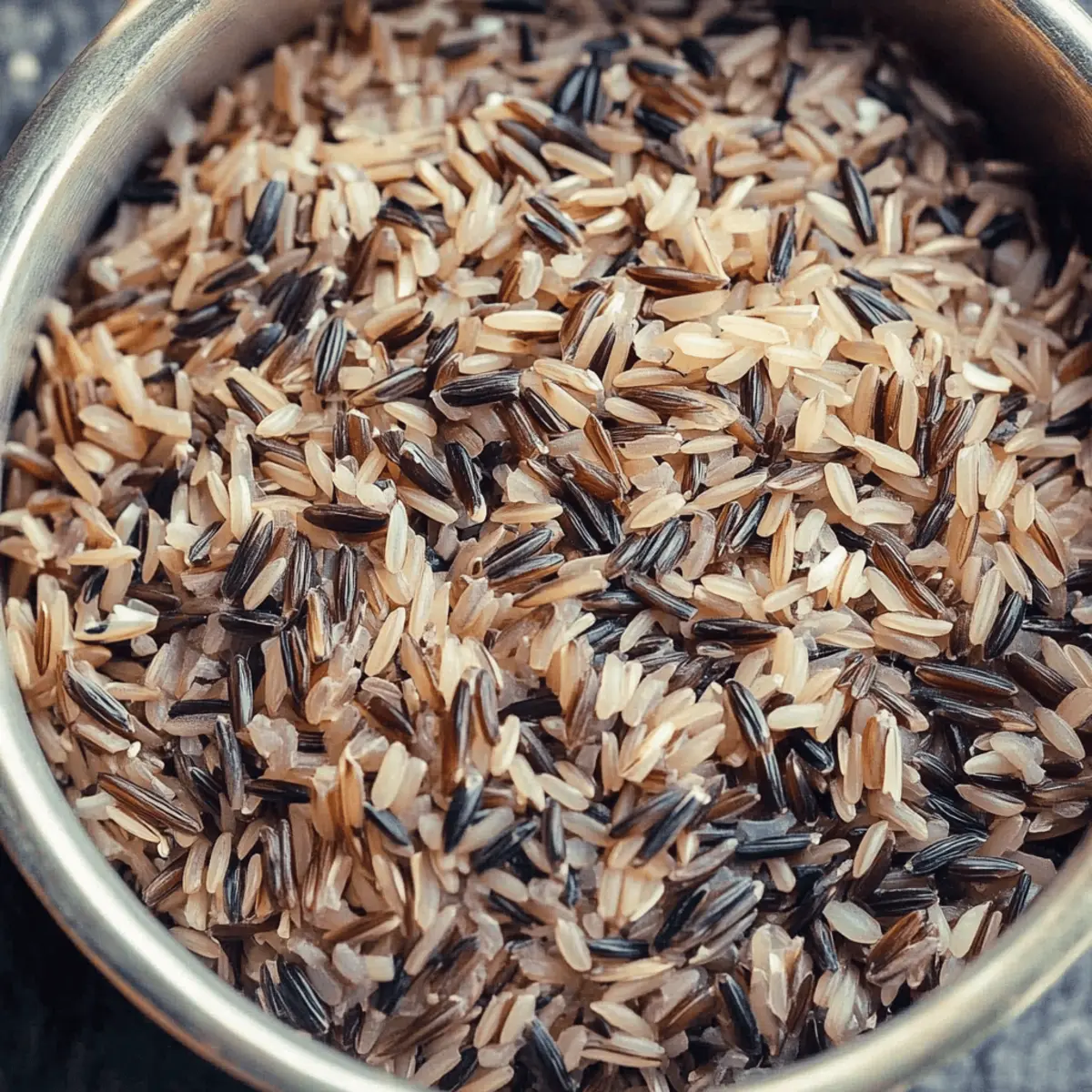
Master Wild Rice: Your Easy Stovetop & Instant Pot Cooking Guide
Wild rice, with its distinctive chewy texture, earthy aroma, and nutty flavor, is far more than just a culinary ingredient – it's an experience. Often mistaken for a true grain, this ancient seed adds incredible depth and nutritional value to a myriad of dishes, from hearty soups and vibrant salads to elegant side dishes and robust casseroles. If you've ever wondered how to cook wild rice to perfection, you're in the right place. This comprehensive guide will walk you through two foolproof methods: the classic stovetop and the modern Instant Pot, ensuring a delicious result every time.What Exactly is Wild Rice? Unveiling Its True Nature
Before we dive into the cooking process, let's clear up a common misconception: wild rice isn't actually rice at all! While it often shares shelf space and culinary applications with traditional rice varieties, it's botanically classified as the seed of an aquatic grass plant. This unique plant, known scientifically as *Zizania aquatica*, thrives in the shallow waters of North America, particularly in the Great Lakes region. It was a vital staple for Native American communities for centuries, revered for its sustenance and distinct flavor. Today, most of the wild rice you find in your local supermarket is specially cultivated in states like Minnesota and California. Beyond its captivating taste and satisfying chew, wild rice boasts an impressive nutritional profile. It's naturally gluten-free, low in fat, and a fantastic source of dietary fiber. What's more, it's significantly higher in protein than popular alternatives like quinoa, making it an excellent choice for plant-based diets or anyone looking to boost their protein intake. Its robust flavor is truly unique, often enjoyed in blends with other grains, though it certainly shines on its own. For a deeper dive into its fascinating origins and benefits, explore our article: Is Wild Rice Actually Rice? Uncover Benefits & How to Cook It.Why Wild Rice Deserves a Spot in Your Kitchen
Aside from its intriguing backstory and health benefits, wild rice offers unparalleled versatility in the kitchen. Its firm texture holds up beautifully, making it ideal for dishes where you want an ingredient that provides substance without becoming mushy. Here are just a few reasons to embrace wild rice:- Flavor Powerhouse: Its earthy, nutty notes complement a wide range of ingredients.
- Textural Contrast: The signature chewiness adds an appealing dimension to soft dishes.
- Nutrient-Dense: Packed with protein, fiber, and essential minerals.
- Gluten-Free: A fantastic option for those with gluten sensitivities or celiac disease.
- Versatile: From savory to even some sweet applications (think wild rice pudding!), its potential is vast.
Before You Begin: Essential Tips for Perfect Wild Rice
Regardless of your chosen cooking method, a few preliminary steps and considerations will ensure your wild rice turns out perfectly every time.Choosing Your Wild Rice
While often sold as "wild rice," there can be subtle variations depending on where it's harvested or processed. Most grocery stores carry a standard variety that works well with the following instructions. You might also find wild rice blends, which incorporate other grains like brown rice or basmati. For this guide, we're focusing on pure wild rice.
The Importance of Rinsing
Just like with many grains, rinsing wild rice under cold running water is a crucial first step. Use a fine-mesh strainer to catch the small grains. Rinsing helps to remove any surface starches, dust, or debris, leading to a cleaner flavor and preventing clumping. While not strictly necessary for every dish, it’s a good habit for optimal results.
Liquid Choice Matters
The liquid you use will subtly influence the final flavor of your wild rice.
- Water: Provides a neutral base, allowing the wild rice's natural flavor to shine.
- Broth (Vegetable or Chicken): Adds an extra layer of savory depth. Opt for low-sodium broth if you're sensitive to salt, as you can always adjust seasoning later.
- Combination: A mix of water and broth offers a balanced approach.
Method 1: How to Cook Wild Rice on the Stovetop
Cooking wild rice the traditional way on the stovetop is simple and yields fantastic results. It requires minimal equipment and just a little patience.Ingredients:
- 1 cup wild rice
- 4 cups water, broth, or a mixture of both
- Pinch of salt (optional, especially if using broth)
Instructions:
- Rinse the Rice: Place 1 cup of wild rice in a fine-mesh strainer and rinse thoroughly under cold running water for about 30 seconds. This step helps remove any loose starches or debris.
- Combine Ingredients: Transfer the rinsed wild rice to a medium-sized saucepan. Add 4 cups of your chosen liquid (water, broth, or a combination). If using water, you might want to add a small pinch of salt at this stage to enhance flavor.
- Bring to a Boil: Place the saucepan over high heat and bring the liquid to a rolling boil.
- Simmer and Cook: Once boiling, reduce the heat to low. Cover the saucepan tightly with a lid and let it simmer gently for approximately 45-50 minutes. It's a good idea to stir occasionally to prevent sticking and ensure even cooking. The wild rice is done when most of the grains have "bloomed" or split open, revealing their lighter interior, and are tender but still retain a pleasant chew.
- Drain and Fluff: Carefully drain any excess liquid using your fine-mesh strainer. Return the cooked wild rice to the saucepan, or transfer it to a serving bowl. Using a fork, gently fluff the rice to separate the grains.
- Serve: Your perfectly cooked stovetop wild rice is ready to enjoy!
Pro Tip: The cooking time can vary slightly based on the age and variety of your wild rice. If after 45 minutes it's still too firm, add a little more liquid and continue to simmer for another 5-10 minutes, checking for tenderness. If it absorbs all the liquid before blooming, add a splash more.
Method 2: How to Cook Wild Rice in the Instant Pot
For those who love convenience, the Instant Pot is a game-changer when it comes to cooking grains. It drastically cuts down on active cooking time and makes the process entirely hands-off, freeing you up to focus on other parts of your meal.Ingredients:
- 1 cup wild rice
- 1 ½ cups water or broth or a mixture of both
- Pinch of salt (optional)
Instructions:
- Rinse the Rice: As with the stovetop method, rinse 1 cup of wild rice under cold running water in a fine-mesh strainer.
- Add to Instant Pot: Transfer the rinsed wild rice to the inner pot of your Instant Pot. Add 1 ½ cups of your chosen liquid (water, broth, or a combination) and a pinch of salt if desired.
- Pressure Cook: Secure the lid on your Instant Pot and turn the pressure release valve to the "Sealing" position. Select the "Manual" or "Pressure Cook" setting and set the cooking time to 35 minutes on high pressure.
- Release Pressure: Once the cooking cycle is complete, perform a Quick Release (QR) of the pressure. Carefully turn the pressure release valve to the "Venting" position and allow all the steam to escape until the float valve drops.
- Fluff and Serve: Carefully remove the lid. Fluff the cooked wild rice with a fork to separate the grains. Your Instant Pot wild rice is now ready to be enjoyed!
Instant Pot Pro Tip: The Instant Pot is very efficient, so the 1:1.5 rice to liquid ratio is usually perfect. Avoid adding too much liquid, as it can result in mushy wild rice.
Storing Your Perfectly Cooked Wild Rice
Wild rice is an excellent candidate for meal prepping. Cooking a larger batch and storing it properly means you'll have this versatile ingredient ready to go for various meals throughout the week.- Uncooked Wild Rice: Store uncooked wild rice in a cool, dry place in an airtight container. It will last almost indefinitely under these conditions.
- Cooked Wild Rice (Refrigeration): Once cooked, allow the wild rice to cool completely before transferring it to an airtight container. It can be safely refrigerated for up to 5-6 days.
- Cooked Wild Rice (Freezing): For longer storage, cooked wild rice freezes beautifully. Spread the cooled rice in a single layer on a baking sheet to flash freeze for about an hour. Then, transfer the frozen grains to a freezer-safe bag or airtight container. This prevents clumping and allows you to scoop out just what you need. It will maintain its quality in the freezer for up to 6 months. To reheat, simply thaw in the refrigerator overnight or microwave from frozen, adding a splash of water or broth if it seems dry.
Food Safety Note: Always remember that cooked rice (and other grains) should not be left at room temperature for more than two hours. The "danger zone" for bacterial growth is between 40°F (4°C) and 140°F (60��C). When in doubt, it's always best to discard.
Creative Ways to Enjoy Your Cooked Wild Rice
Now that you've mastered how to cook wild rice, it's time to put it to good use! Its unique profile makes it a star in many dishes.- As a Side Dish: A simple, elegant alternative to white or brown rice. Dress it with a pat of butter or a drizzle of olive oil and fresh herbs.
- Hearty Salads: Combine with roasted vegetables, dried cranberries, nuts, and a light vinaigrette for a satisfying and nutritious meal.
- Soups and Stews: Adds texture and substance to chicken wild rice soup, mushroom stews, or even a vegetarian chili.
- Stuffings: Perfect for stuffing poultry, bell peppers, or mushrooms.
- Grain Bowls: Build a vibrant bowl with wild rice as the base, topped with protein, fresh veggies, and a flavorful dressing.
- Breakfast Bowls: While less common, cooked wild rice can even be served warm with milk, fruit, and a touch of maple syrup for a wholesome breakfast.
For more inspiration on incorporating this amazing ingredient into your meals, check out our guide: Chewy, Nutty, & Healthy: Your Guide to Cooking Wild Rice.
Learning how to cook wild rice is a rewarding culinary skill that opens up a world of nutritious and flavorful possibilities. Whether you opt for the comforting simmer of the stovetop or the modern efficiency of the Instant Pot, you’re now equipped to prepare this remarkable "pseudo-grain" perfectly every time. Embrace its earthy notes and satisfying chew, and elevate your everyday meals with this ancient, nutrient-rich ingredient.